Sebin Jung
Research Assistant @ CMU Robotics Institute
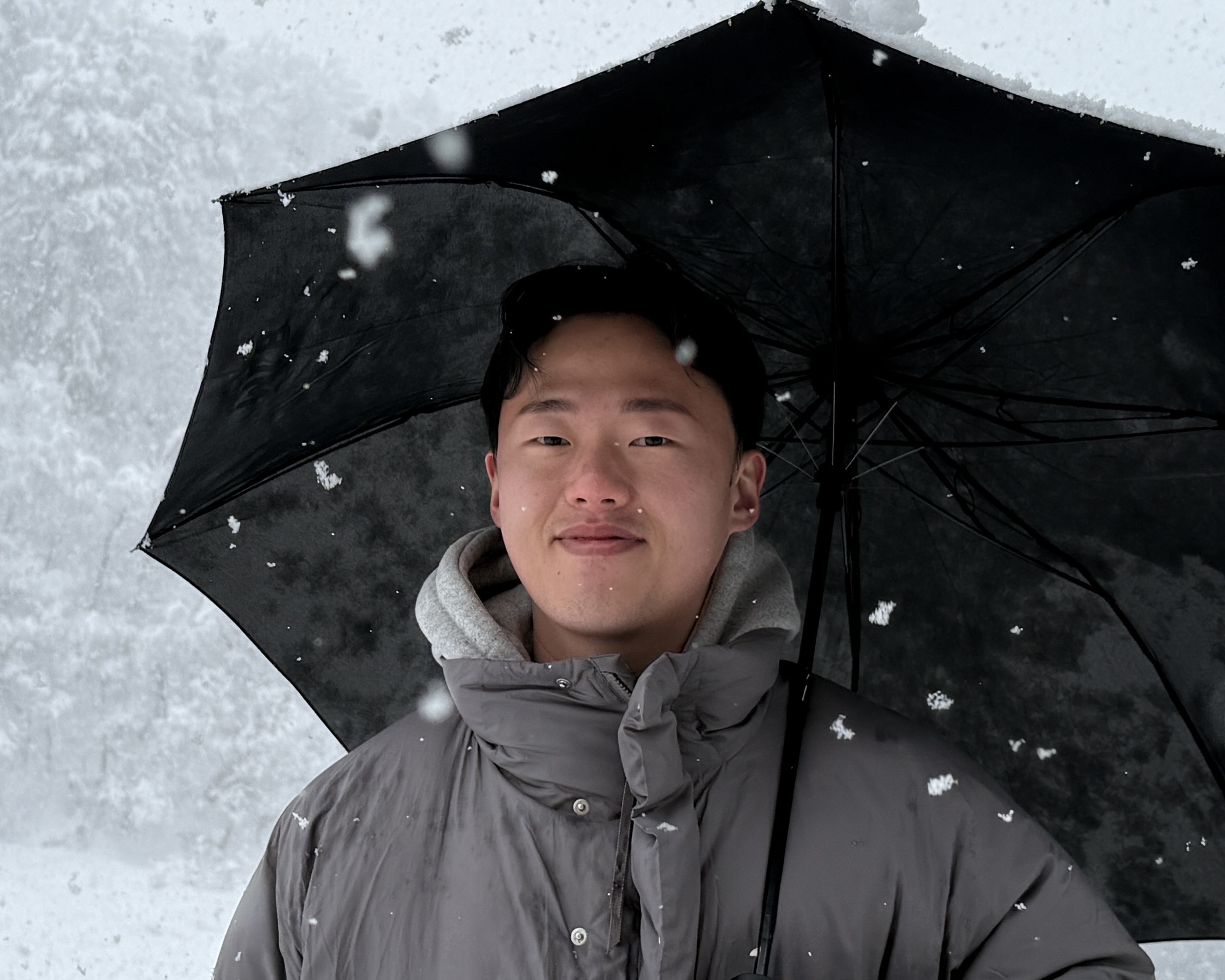
Hi there, welcome to my website!
I’m currently working with Prof. Changliu Liu in the Intelligent Control Lab at Carnegie Mellon University’s Robotics Institute.
Previously, I earned my M.S. in Mechanical Engineering from Carnegie Mellon University, where I was advised by Prof. Changliu Liu and Prof. John M. Dolan. During my master’s studies, I conducted research with the Intelligent Control Lab and the Driverless Intelligent Vehicle Lab.
Interests
My work as well as research interests lie at the intersection of robot learning, optimal control, and safety. My long-term goal is to develop principled, control theory-informed learning methods for adaptive, reliable, and high-performance robotic systems, bridging theoretical advances with validation on whole-body scale hardware. Please feel free to reach out if you’re interested in these topics or would like to collaborate!
Besides work, I love to surf, snowboard, and travel!
News
Research
(* indicates equal contribution)
|
|
|
|
|
|
|
|
|
|
Projects
|
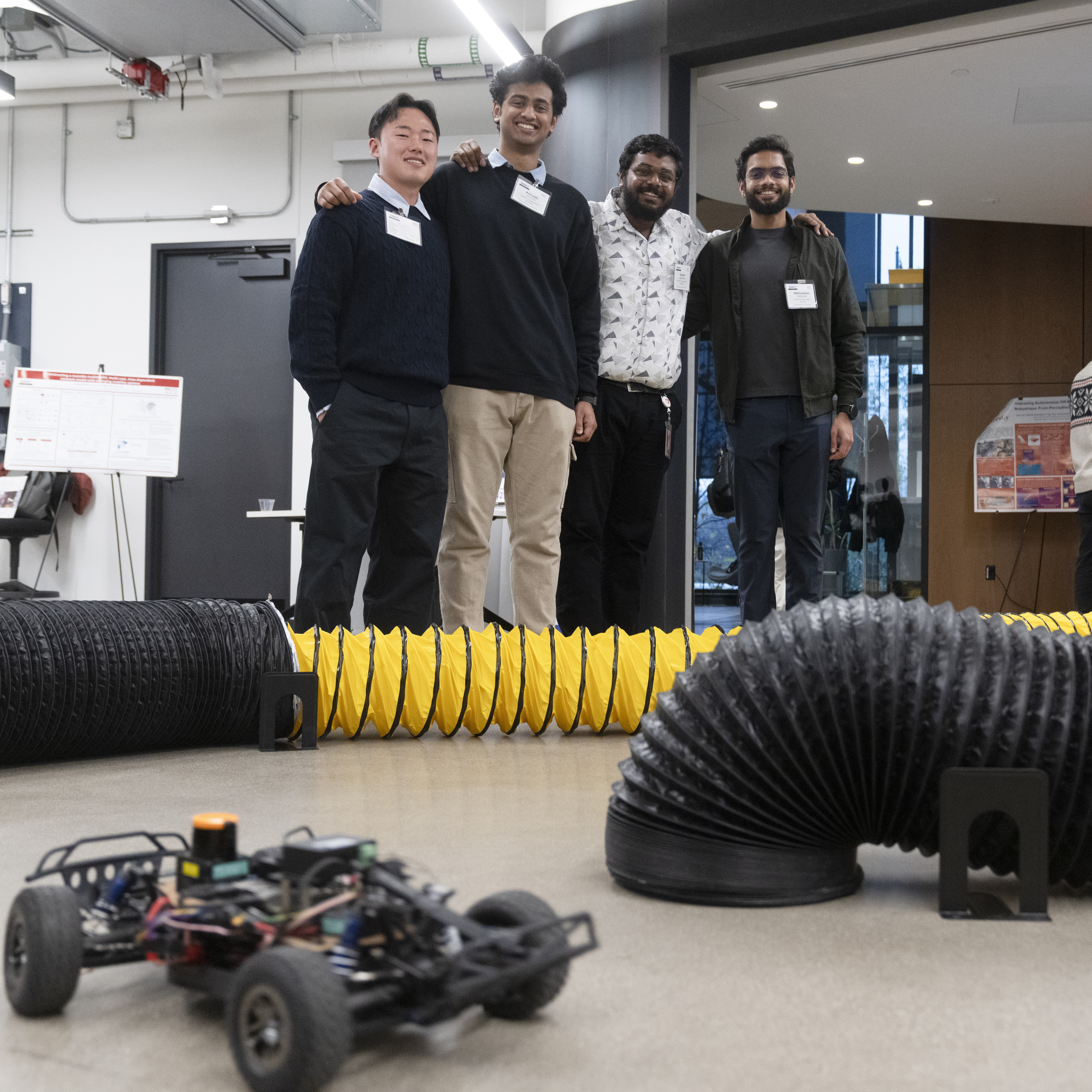
As part of the Safety21 event, our team presented a live demonstration of autonomous racing using two F1Tenth vehicles. This showcase highlighted the F1Tenth: Autonomous Racing course offered at the Carnegie Mellon Robotics Institute, led by Professor John Dolan.
|

|
As a side project in the VOICE Lab, I developed a concise CARLA tutorial tailored for Korean students. The goal was to help lab members and peers quickly familiarize themselves with the simulator's core features and sensors for autonomous driving research.
|
|
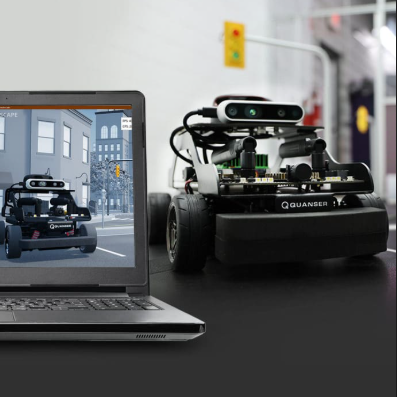
Our team (VOICE) competed in the 2024 ACC Quanser Self-Driving Student Competition, showcasing reliable line following using Pure Pursuit and robust traffic sign detection for stop-and-go control. After passing the qualifier, we placed 4th in the finals.
|
|
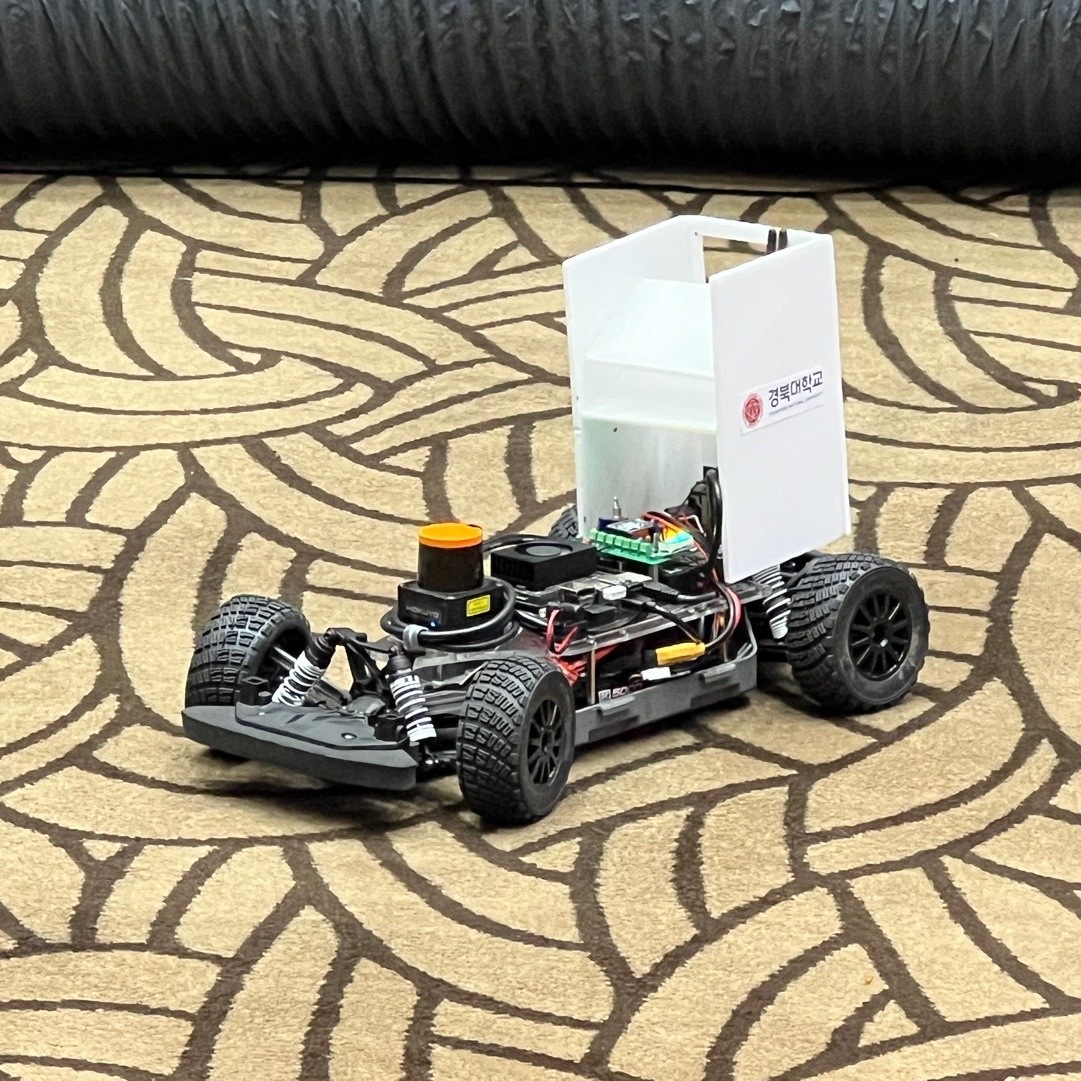
Our team, TigerOX, competed in the 2023 ICCAS 2nd F1Tenth Korea Championship, optimizing a minimum-time raceline and implementing Pure Pursuit with adaptive velocity control.
|